Advanced Silicone Systems for High-Reliability Applications
As technology platforms become lighter, more electrified, and more integrated, material demands continue to intensify. Across aerospace, advanced electronics, medical devices, and next-generation manufacturing systems, performance is defined not just by individual components, but by what happens where materials meet.
These high-reliability systems operate under extreme temperature transitions, miniaturization pressures, vibration, electrical density, and extended service life requirements. In this landscape, base chemistry alone is no longer sufficient. Performance depends on how polymer architecture, filler integration, adhesion design, and crosslink control are engineered within the final formulation. Long-term reliability is ultimately determined at material boundaries where mechanical, thermal, electrical, and environmental forces must be precisely balanced.
ExSil™ represents Gelest’s integrated platform for engineered silicone systems, uniting silane, siloxane, and advanced formulation expertise to address these evolving challenges. By combining molecular design with application-driven formulation science, Gelest advances silicone technologies for demanding, high-reliability environments. We actively collaborate with customers to develop application-specific systems where durability and interfacial performance are critical to long-term success.
Market Highlights
Semiconductor & Advanced Electronics Manufacturing
High-performance electronics operate in elevated temperatures and dense architectures where thermal management and dielectric stability are essential. Silicone systems enable low-stress encapsulation, gap filling, and environmental protection while maintaining electrical integrity. Expanding power and data demands, both terrestrial and space-based, continue to raise material performance requirements.
As device geometries shrink and power densities increase, mismatches in coefficient of thermal expansion (CTE) between substrates, die, and encapsulants can induce significant mechanical stress. ExSil™ platforms provide tunable modulus, dielectric strength, and thermal conductivity tailored for advanced packaging, sensor protection, and power electronics. By engineering polymer architecture and filler systems together, Gelest delivers solutions that balance thermal performance with mechanical compliance, protecting sensitive components during temperature cycling.
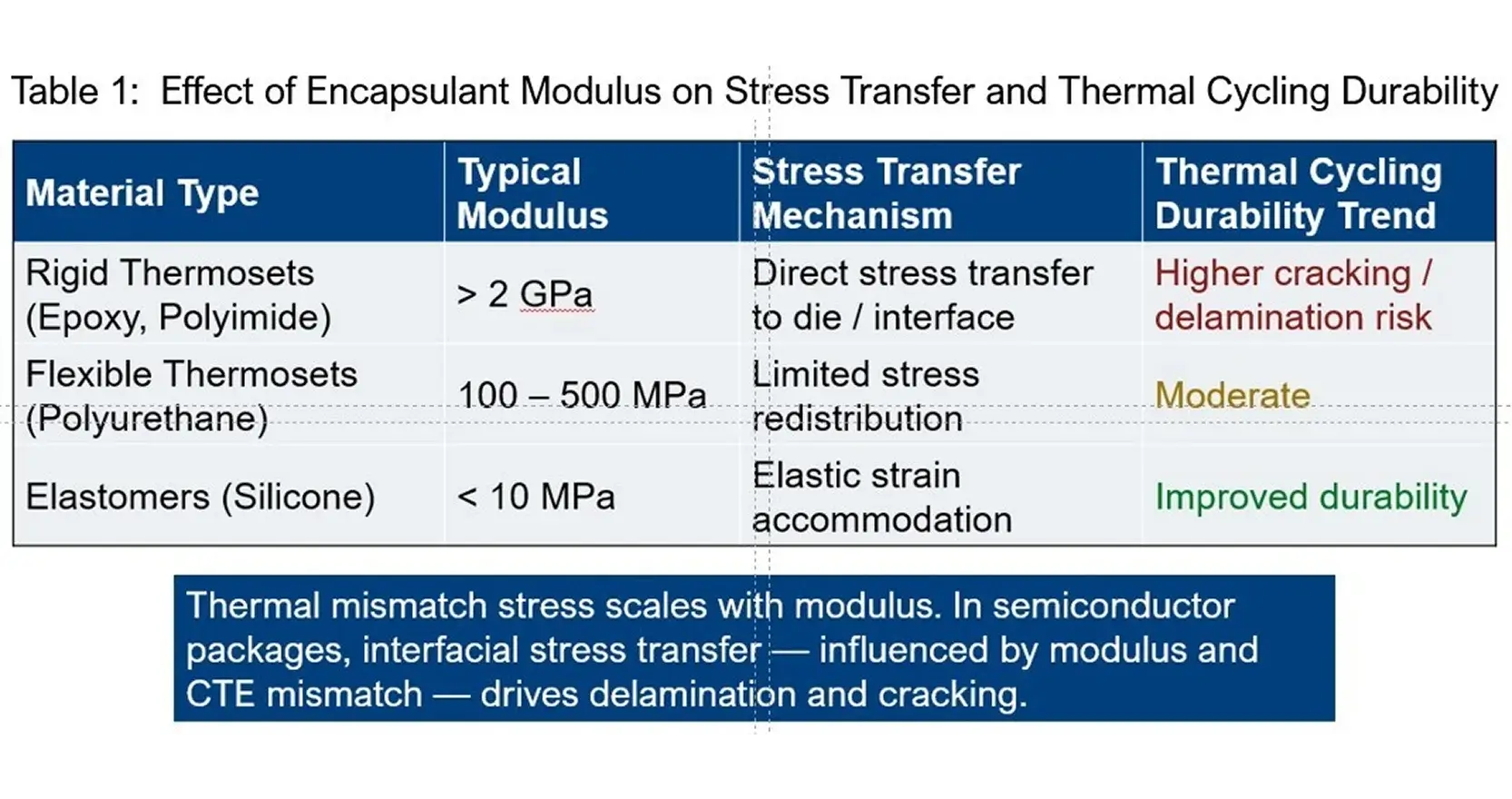
At APEC 2026, our technical team will be engaging with industry partners to discuss formulation strategies for managing thermal stress and enhancing interfacial reliability in next-generation power electronics.
Aerospace, Space, & Defense
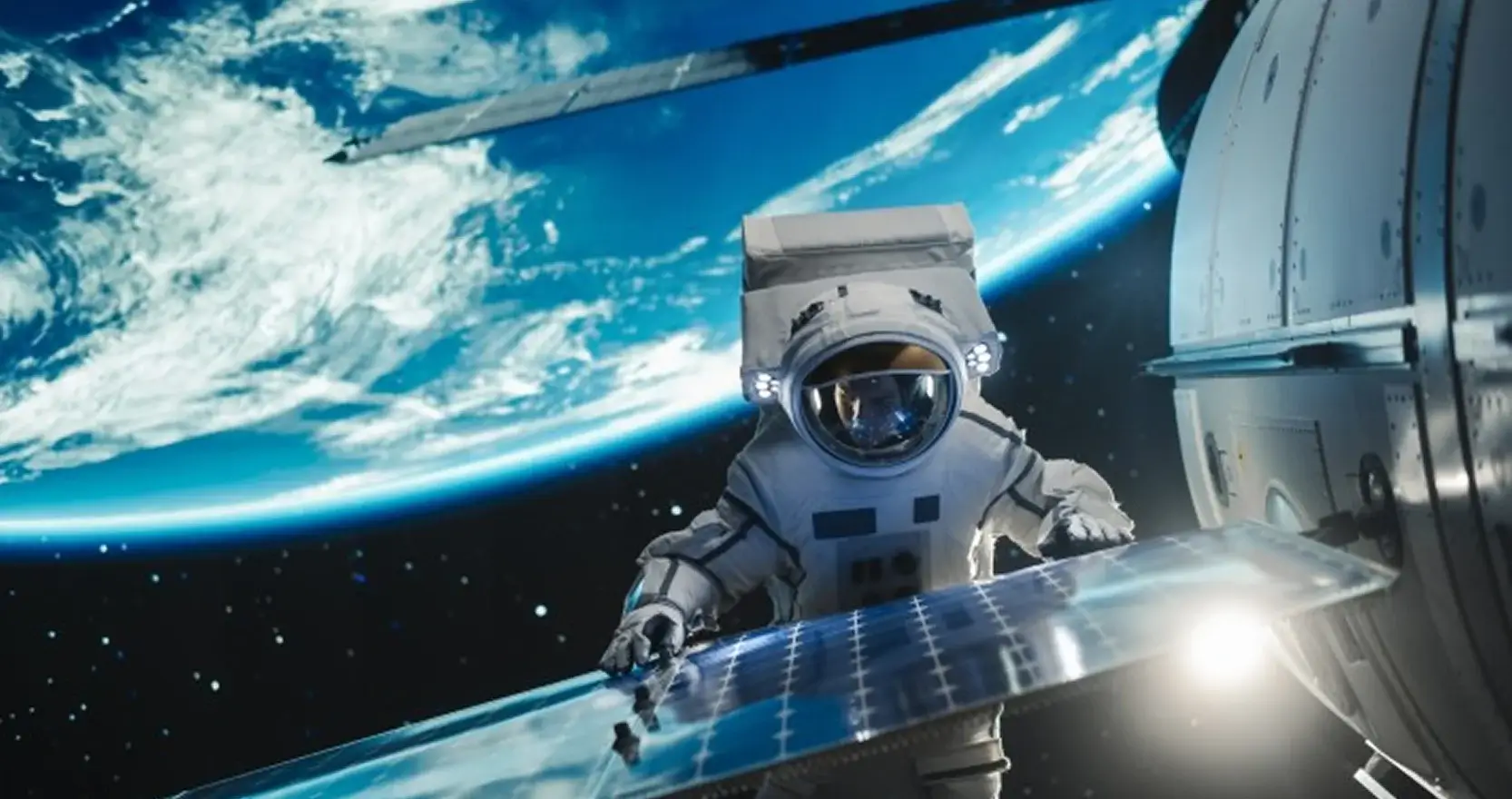
LEO satellites, deep-space probes, hypersonic vehicles, and defense avionics operate across temperature ranges from −100 °C to 200 °C, vacuum exposure, moisture fluctuations, and sustained mechanical stress. Materials must remain flexible yet durable, lightweight yet protective, while maintaining stable interfacial performance over long service lifetimes.
Silicone-based systems support structural protection, electronic encapsulation, and composite durability due to their thermal stability and elastic compliance. In vacuum environments, even minor volatile species can affect sensitive instrumentation, making low-outgassing behavior critical. Performance therefore depends on controlled crosslink density, adhesion mechanisms, filler integration, and dimensional stability under vacuum and repeated temperature transitions.
These formulation principles underpin ExSil™ aerospace materials, where polymer architecture and environmental stability are engineered to support mission-critical performance. As the industry advances next-generation space platforms, these material challenges will be central to discussions at the 41st Space Symposium.
Medical Device & Healthcare Technologies
Medical technologies demand materials that perform reliably at the interface between engineered systems and biological environments. Performance is defined not only by mechanical durability, but by interaction with tissue, fluids, sterilization processes, and long-term implantation conditions. Silicone systems are widely used in encapsulation, wearables, and protective barriers due to their chemical inertness, controlled permeability, and long-term mechanical stability.
At the material level, behavior is governed by interfacial phenomena including protein adsorption, moisture transport, ionic exposure, and micro-motion. Formulation strategies focus on tuning surface energy, modulus, adhesion, and barrier properties to preserve device stability while minimizing mechanical mismatch with surrounding tissue. Careful control of network structure and filler integration supports resistance to sterilization cycles and extended service life, enabling increasingly compact and integrated medical systems.
Advanced Industrial & Emerging Manufacturing Technologies
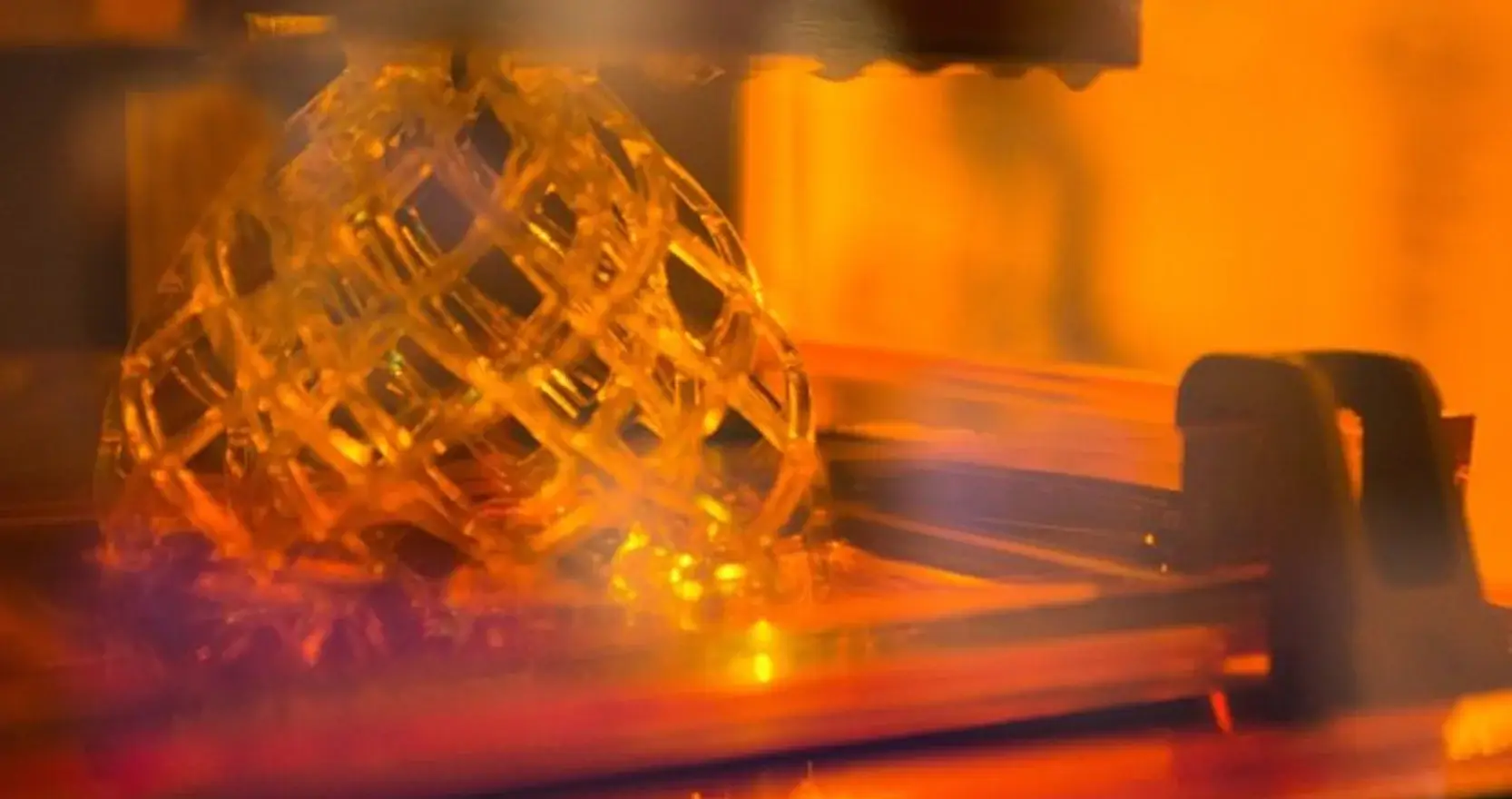
Advancements in manufacturing are reshaping how high-performance components are designed and produced. Demand for customization, rapid iteration, and cost-effective small production batches is accelerating adoption of additive manufacturing across aerospace, electronics, defense, and industrial sectors.
Silicone materials enable complex geometries while maintaining the mechanical and thermal performance required for demanding applications—capabilities that are difficult to achieve through traditional molding.
Printable silicone systems must balance deposition behavior with end-use performance. Controlled rheology, cure response, and interlayer adhesion are essential to maintaining dimensional stability and mechanical integrity. Because printed geometries and service conditions vary widely, successful implementation depends on close collaboration between material supplier and customer to align formulation design with application requirements.
Technical Spotlight
High-Temperature Gels & Potting Systems
High-temperature electronics impose significant stress at material interfaces, where thermal expansion, electrical loading, and mechanical constraint converge. In these conditions, gels and potting systems must maintain interfacial stability, protect sensitive components, and mitigate stress through repeated temperature cycling.
Gelest is expanding the ExSil™ portfolio to include high-temperature gels and potting materials engineered for space electronics and harsh-environment modules. These systems are designed to:
- Maintain mechanical integrity at elevated temperatures
- Provide low-modulus stress relief at component interfaces
- Deliver stable dielectric performance under thermal and electrical cycling
- Balance thermal resistance with long-term durability
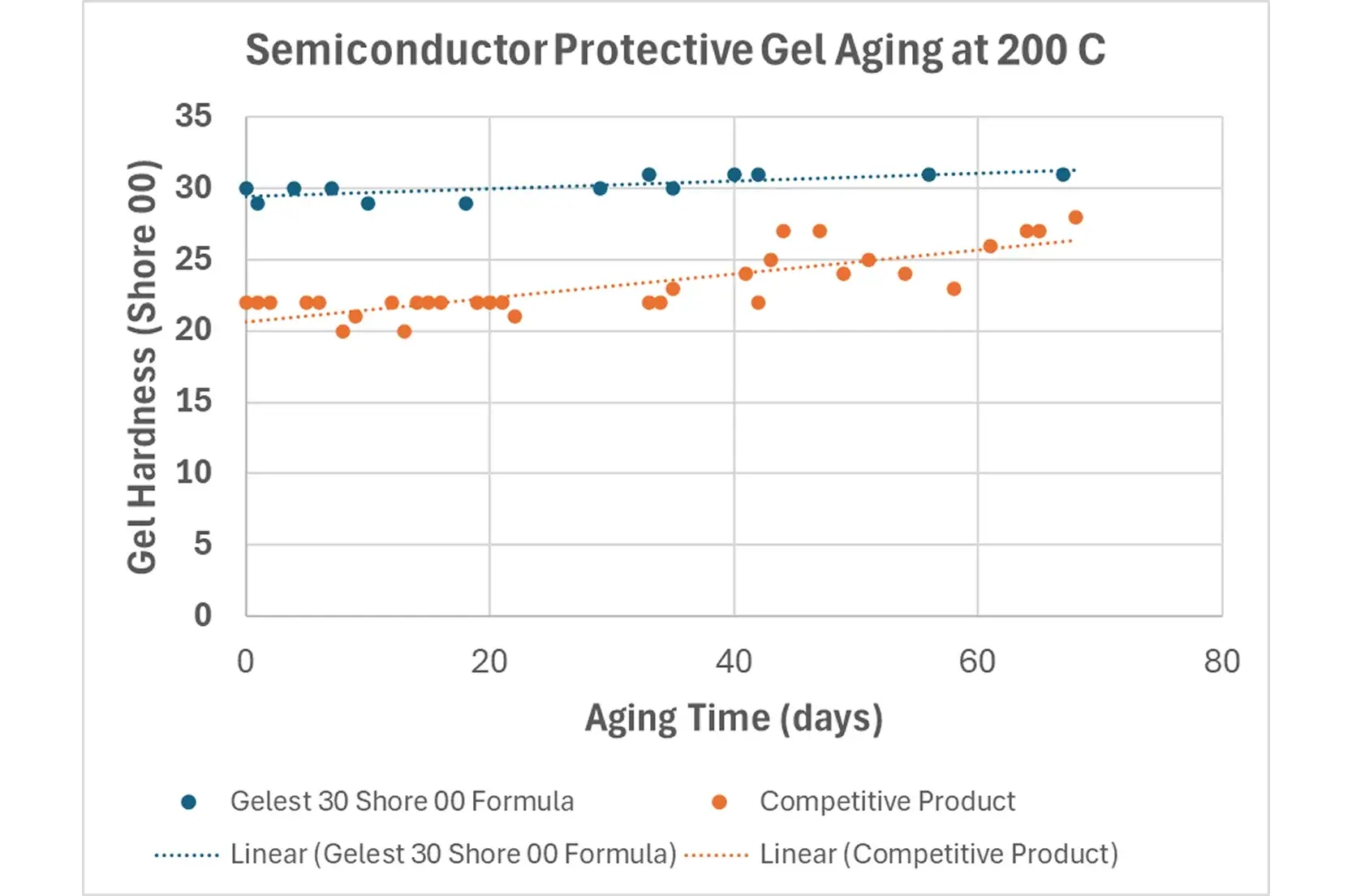
Performance depends on controlled crosslink structure, filler interaction, and viscoelastic behavior to preserve adhesion and dimensional stability. Comparative internal testing indicates extended thermal and mechanical stability under accelerated aging relative to established market benchmarks.
Application Highlight
Moisture & Thermal Protection for Commercial Spacecraft Structures
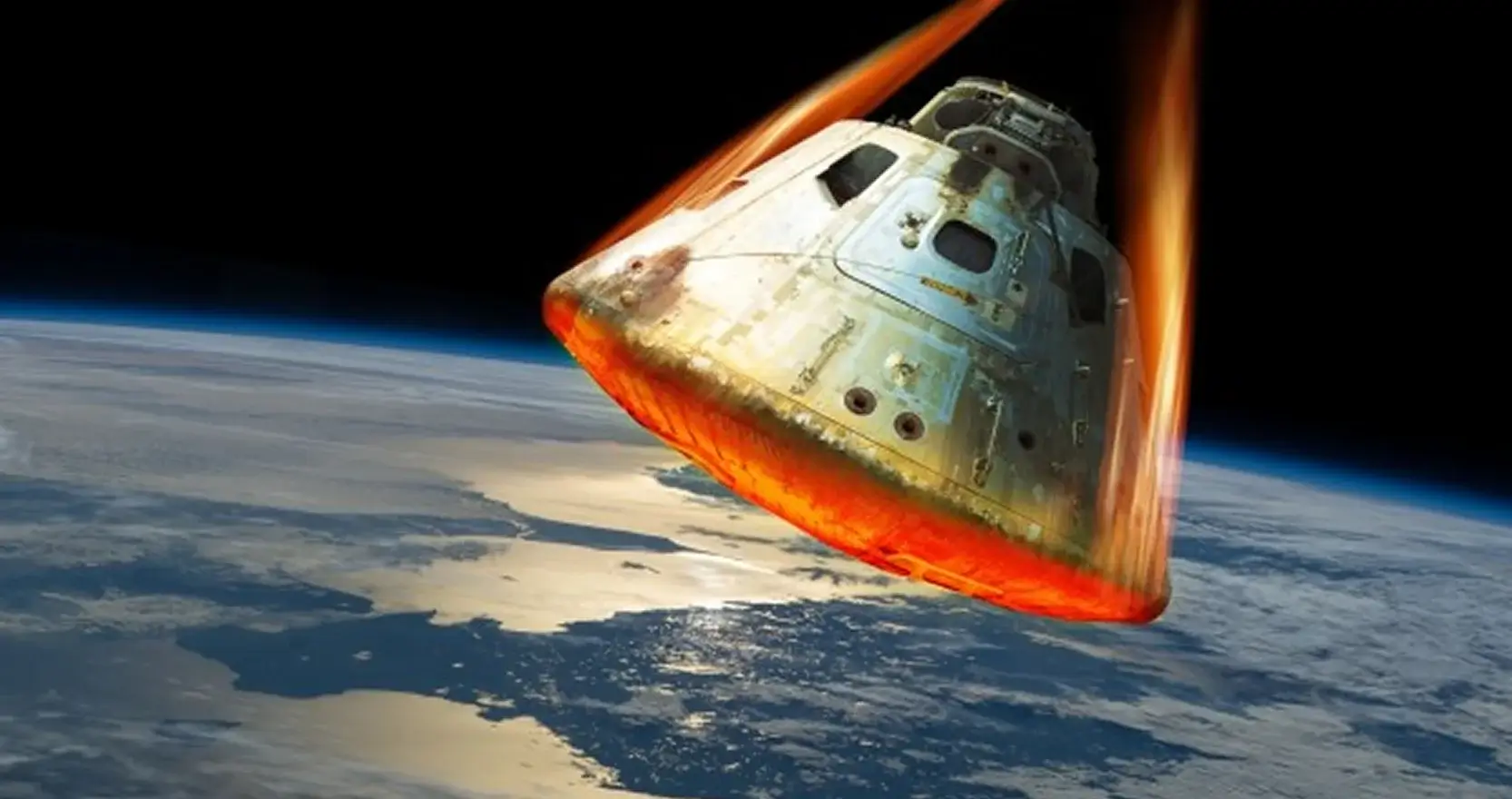
Exterior spacecraft structures experience extreme thermal cycling in orbit and humidity during ground operations, leading to moisture uptake and long-term degradation. Even minor moisture absorption can increase weight and reduce thermal protection—particularly at composite interfaces.
For an aerospace vehicle, a silane-based surface engineering approach reduced water absorption while preserving adhesion and flexibility across temperature swings. The material reacts at the interface to create a hydrophobic siloxane network, reducing permeability and reinforcing stability under elevated heat loads.
The silicon–oxygen framework also contributed char-forming behavior under thermal stress, adding an additional protective mechanism. This application demonstrates how aerospace reliability is achieved through engineering at the interface where moisture control, durability, adhesion, and weight efficiency must function together to ensure long-term performance.
Looking Ahead
As space platforms evolve, materials requirements continue to shift toward lighter structures, increased electrification, and greater thermal demands. Expanded use of composites, modular electronics, and long-duration mission profiles heightens the need for interfacial stability and environmental resilience.
Meeting these challenges requires engineered silicone platforms that integrate polymer architecture, formulation science, and interfacial chemistry. Organizations developing next-generation systems are encouraged to connect with Gelest’s technical team to explore collaborative formulation opportunities under the ExSil™ platform.
Upcoming Events
Connect with our technical team at the following industry events to discuss application-specific ExSil™ formulation strategies:

- 22 – 26 March 2026
- San Antonio, Texas, USA
- Visit us at booth #1427

- 13 – 16 April 2026
- Colorado Springs, Colorado, USA
- Visit us at booth #836
- 9-11 June 2026
- Nuremburg, Germany
- Visit us at booth #6-111